
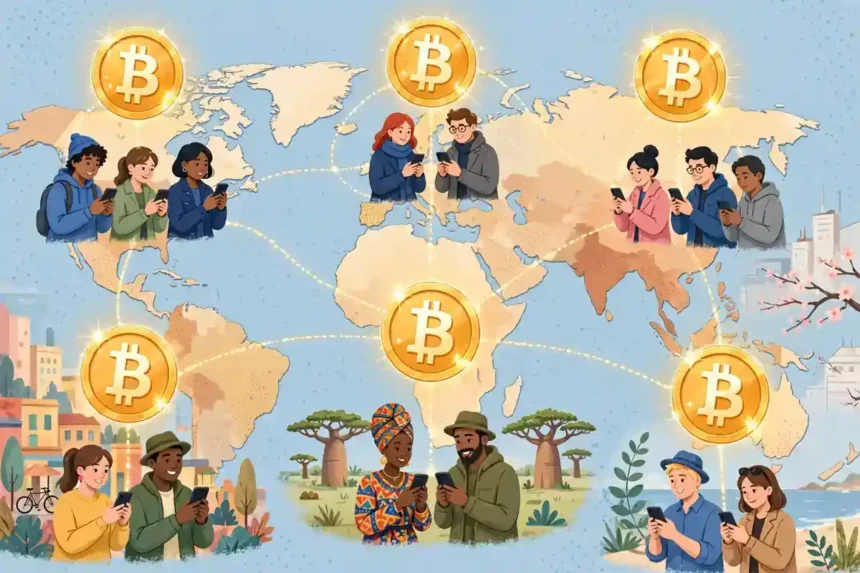
You can buy Bitcoin in almost every country, and the safe steps stay the same everywhere. You pick a regulated platform, you prove your identity, you pay with a local payment rail, and you move bigger amounts to your own wallet.
What changes is the local detail. A buyer in Brazil pays with Pix, a buyer in Bangladesh pays with bKash, and a buyer in Australia pays with PayID, and each country sets its own ID check, regulator, and tax rule.

This hub pulls all of our country guides into one place. Bitcoin traded near $83,500 on October 14, 2026, and you buy a small fraction of a coin, so a modest local amount starts your first buy in every country below.
- The Universal Steps That Work in Every Country
- Step 1: Pick a platform your regulator lists
- Step 2: Verify your identity before you deposit
- Step 3: Turn on two-factor authentication
- Step 4: Pay with your local rail, from your own account
- Step 5: Start with a small test buy
- Step 6: Buy on the market screen, not the big button
- Step 7: Move bigger amounts to your own wallet
- Country by Country: Payment Rail, ID Check, and Legal Caution
- How the Regions Differ, in Plain Words
- My Honest Take: Which Route Suits Which Buyer
- Common Mistakes Buyers Make in Every Country
- Sending money from someone else’s account
- Trusting the cheapest P2P rate
- Skipping the small test
- Leaving everything on the exchange
- Frequently Asked Questions
- Is it legal to buy Bitcoin around the world?
- What is the cheapest way to buy Bitcoin in any country?
- Do I need ID to buy Bitcoin everywhere?
- How much money do I need for a first buy?
- Which payment method is fastest around the world?
- Should I leave my Bitcoin on the exchange after buying?
- Conclusion: Start With Your Own Country Row
If the basics still feel new, read what Bitcoin is and how it works first. Then come back here and open the guide for your own country.
Key takeaways
- The universal steps never change: regulated platform, identity check, local payment, small first buy, then your own wallet.
- The payment rail changes by country: Pix in Brazil, UPI in India, PayID in Australia, SEPA in Austria, and mobile money or P2P in Pakistan, Nigeria, the Philippines, and Bangladesh.
- Every regulated platform asks for ID. The document changes, from a CNIC in Pakistan to a CPF in Brazil to a BVN and NIN in Nigeria.
- Tax changes the most. India taxes gains at a flat 30 percent, Austria withholds 27.5 percent at source, and Turkey has no dedicated crypto tax in force in October 2026.
- Our comparison table below exists nowhere else, because we built it only from our own 11 country guides on this site.
The Universal Steps That Work in Every Country
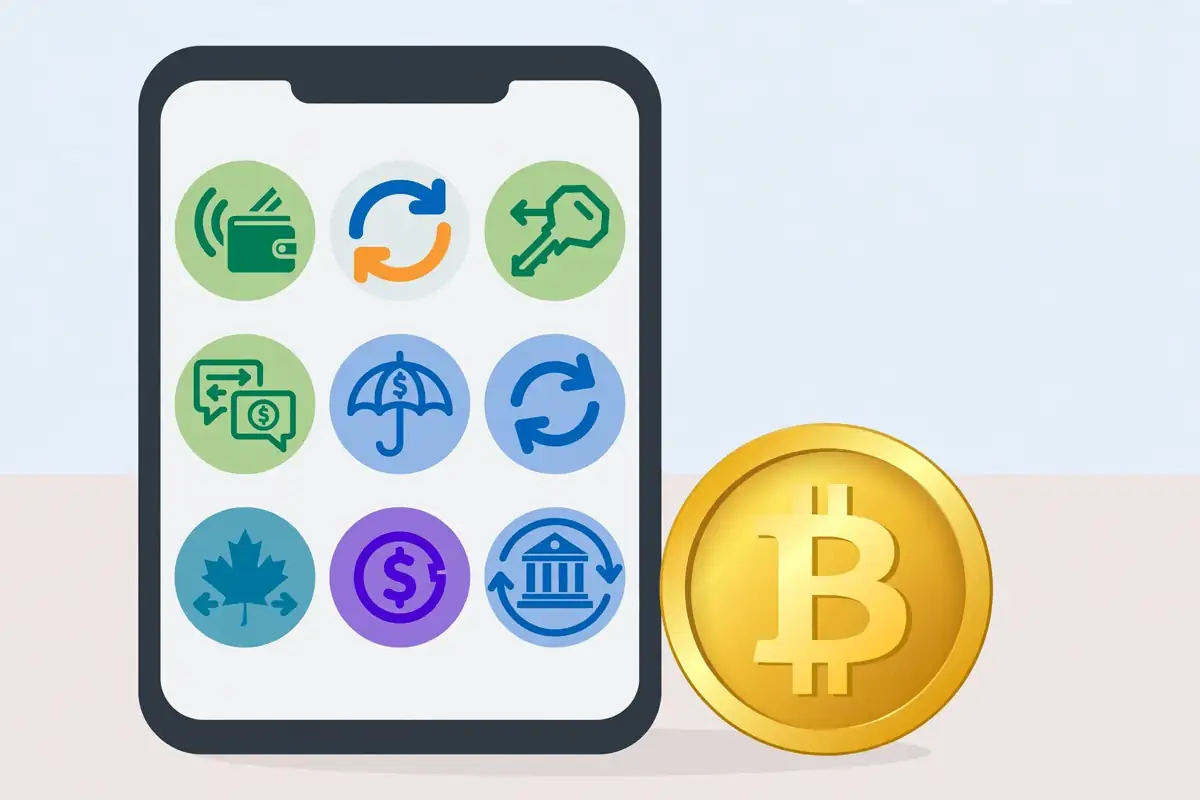
Every country guide on this site follows the same order, and the order protects you. You set up safety first, you test with a small amount, and you only send bigger money after the small test lands.
My opinion is blunt: the platform name matters less than this order. A careful buyer on an average platform beats a rushed buyer on the best platform, every single time.

Step 1: Pick a platform your regulator lists
Start with the regulator register in your country, not with an advert. If the platform name does not appear on that register, close the app and pick another one.
Step 2: Verify your identity before you deposit
Regulated platforms must check who you are under anti money laundering rules. You upload your local ID, you take a selfie or liveness check, and you wait for approval before money moves.
Step 3: Turn on two-factor authentication
Do this before your first deposit, not after your first scare. An authenticator app beats SMS codes, because a SIM swap can steal text messages.
Step 4: Pay with your local rail, from your own account
Each country has one cheap local rail that locals use every day. Our walkthrough on how to buy Bitcoin with bank transfer explains the bank route, and the table below names the faster local rail for each country.
Step 5: Start with a small test buy
Send a small amount first and wait until it shows in your balance. That one calm test prevents most deposit panic and most expensive mistakes.
Step 6: Buy on the market screen, not the big button
Simple buy buttons hide their cost inside a worse price in almost every country. The market screen shows the real fee, so learn it on your first small buy while a mistake stays cheap.
Step 7: Move bigger amounts to your own wallet
An exchange is a shop, not a vault, and the platform holds your keys while your coins sit there. Once the amount would hurt to lose, learn how to store Bitcoin safely and compare the best Bitcoin wallets for beginners before you withdraw.
Country by Country: Payment Rail, ID Check, and Legal Caution
This table is the heart of this hub, and we built it only from our own country guides. Read your row, note the rail and the ID, respect the caution, and then open your full country guide for the step by step walkthrough.
| Country guide | Local payment rail | ID you need | Regulator and legal caution |
|---|---|---|---|
| Pakistan | P2P with bank transfer, Easypaisa, or JazzCash; buy USDT first, then swap to BTC | CNIC | PVARA under the Virtual Assets Act 2026. Owning Bitcoin is legal, and Bitcoin is not legal tender. |
| India | UPI deposit in rupees | PAN card and Aadhaar, names must match | Use only an FIU-IND registered exchange. Gains face a flat 30 percent tax, plus 1 percent TDS on sales. |
| Nigeria | Bank transfer in naira; Bybit P2P with bank, OPay, or PalmPay | BVN and NIN, plus a government ID | Digital assets sit under SEC oversight. Binance ended naira P2P in March 2024, so old guides mislead you. |
| Philippines | GCash, Maya, or InstaPay in pesos | Government ID plus a liveness selfie | Use a BSP licensed VASP platform. Regulators have blocked unregistered offshore exchanges. |
| South Africa | Free EFT in rand; instant EFT and cards cost extra | ID or passport under FICA, proof of address in some cases | Exchanges need an FSCA licence. SARS taxes crypto gains, so keep records from day one. |
| Turkey | Bank transfer or FAST in lira, free on the big local platforms | Turkish ID card under MASAK rules | Exchanges need an SPK licence. Buying is legal, and paying for goods with crypto is banned. |
| Argentina | Bank transfer to a CBU or CVU in pesos; Mercado Pago also works | DNI plus a selfie check | Platforms must sit on the CNV register. Individuals pay 15 percent capital gains tax on profits. |
| Australia | PayID in dollars, free and usually instant | Driver licence or passport | Exchanges must register with AUSTRAC. The ATO applies capital gains tax, with a 50 percent discount after 12 months. |
| Austria | SEPA or SEPA Instant in euros, free on major platforms | Photo ID, with a video check on some platforms | Platforms need MiCA authorisation and the FMA supervises local firms. Austrian providers withhold the 27.5 percent KeSt tax for you. |
| Bangladesh | P2P escrow with bKash, Nagad, or Rocket; buy USDT first, then swap to BTC | National ID, and the name must match your payment account | Bangladesh Bank urges strong caution on crypto, so read the legal section in the full guide before you send any taka. |
| Brazil | Pix in reais, fast and widely supported on local exchanges | CPF plus platform identity verification | Keep records for Receita Federal reporting. Capital gains rules and reporting duties apply, so track every trade. |
Two of these guides, Bangladesh and Brazil, publish on this site today. Their rows use the same walkthrough style as the other nine, with the local rail first and the legal caution in plain words.
Canada sits next on our list, and its local rail is Interac e-Transfer. We will add its row here after its full guide publishes, because this hub only links to guides that live on this site.
How the Regions Differ, in Plain Words
Asia runs on mobile money and instant bank rails, and identity names must match exactly. Buyers in Pakistan, India, the Philippines, and Bangladesh all learn the same lesson early: a name mismatch between your ID, bank, and exchange account stalls everything.
South Asia also shows the widest legal spread in this hub. Pakistan now regulates platforms under a 2026 law, India taxes gains hard but keeps buying legal, and Bangladesh still calls for strong caution, so your country row matters more than any global advice.
Africa runs on bank transfers and trusted local names in our guides. Nigeria pairs local exchanges with P2P escrow after the naira route changed, and South Africa pairs free EFT deposits with strict FICA checks and licensed local exchanges.
Europe and Turkey run on bank rails and strong registers in our guides. Austria adds automatic tax withholding, Australia adds instant PayID funding, and Turkey adds free FAST transfers plus a clear rule that crypto cannot pay for goods.
Latin America runs on speed in our guides. Argentina funds accounts by bank transfer to a CBU or CVU in minutes, and Brazil funds accounts by Pix in seconds, and both countries ask you to keep tax records from your first trade.
My Honest Take: Which Route Suits Which Buyer
If your country has a licensed local exchange with a free local rail, use it for your first buy. That means UPI in India, PayID in Australia, SEPA in Austria, FAST in Turkey, EFT in South Africa, and Pix in Brazil.
If your country has no easy local on-ramp, P2P escrow is your realistic first route. That means Pakistan and Bangladesh, and it means you follow escrow rules with zero shortcuts and you never move the chat off the platform.
Nobody should start with cash dealers, social media sellers, or a stranger who offers a better rate. A beginner gains almost nothing from that small rate gap and risks the whole amount, in every country on this page.
Common Mistakes Buyers Make in Every Country
Most first losses look identical across borders, and the Bitcoin price rarely causes them. Funding errors, wrong platforms, and hurry cause them, and you can skip all three today.
Read this short list before your first deposit. Then read it again before your first big deposit, because confidence grows faster than skill.
Sending money from someone else’s account
Exchanges match deposits against the account holder name, and a transfer from a friend or relative can bounce or freeze for review. Fund your account from your own bank or wallet account, every time, and copy the reference code exactly.
Trusting the cheapest P2P rate
A rate far below the rest of the list is bait, not a bargain. Pick sellers or merchants with a completion rate above 95 percent and a long order history, even if the rate looks a little worse.
Skipping the small test
One wrong digit in an account number, CBU, or reference code sends money on a long holiday. Test small, wait for the money to land, and only then send the bigger amount.
Leaving everything on the exchange
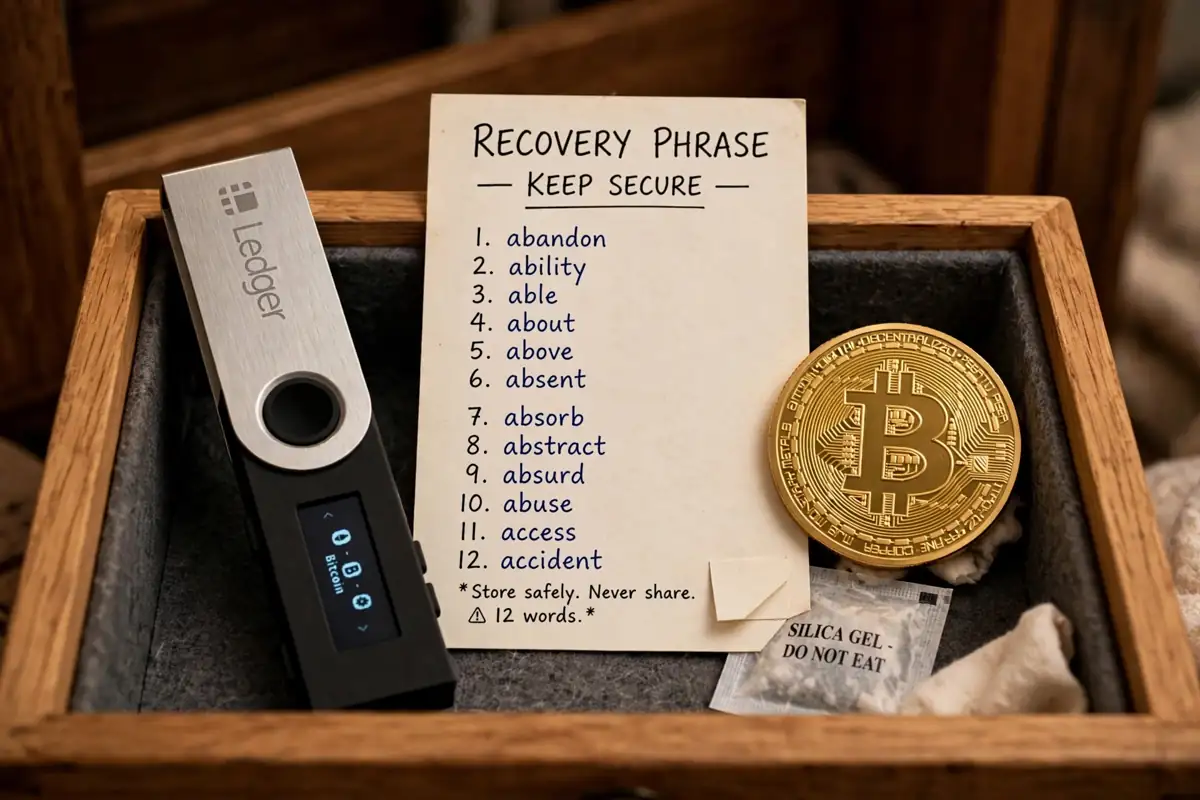
Platforms can freeze withdrawals, change rules, or face regulator orders, and our country guides give a local example for each risk. Move amounts that matter to a wallet you control, and never type your recovery phrase into any website.
Frequently Asked Questions
These answers sum up the questions readers ask across all 11 country guides. Your country guide gives the local numbers, fees, and documents in full.
Is it legal to buy Bitcoin around the world?
Buying and holding Bitcoin is legal in most countries in this hub, including Pakistan, India, Nigeria, the Philippines, South Africa, Turkey, Argentina, Australia, and Austria. Bangladesh calls for strong caution from its central bank, and no country here treats Bitcoin as legal tender that shops must accept.
What is the cheapest way to buy Bitcoin in any country?
The cheapest route is usually a free local bank rail into a regulated exchange, followed by a market order. That means UPI, PayID, SEPA, FAST, free EFT, bank transfer, or Pix in the countries that offer them, and it beats card buys and simple buy buttons almost every time.
Do I need ID to buy Bitcoin everywhere?
Yes, every regulated platform in this hub asks for identity verification. You show a CNIC in Pakistan, a PAN and Aadhaar in India, a BVN and NIN in Nigeria, a DNI in Argentina, a CPF in Brazil, and a passport or driver licence in Australia and Austria.
How much money do I need for a first buy?
You need only a small local amount, because Bitcoin divides into 100 million satoshis. Most beginners in our guides start with the local equal of about 10 to 100 dollars, and they treat that first buy as paid training.
Which payment method is fastest around the world?
Instant local rails win: Pix in Brazil, PayID in Australia, UPI in India, and SEPA Instant in Austria land in seconds or minutes. Standard bank transfers and EFT deposits can take one business day, so plan your first buy around that wait.
Should I leave my Bitcoin on the exchange after buying?
For a small learning amount, an exchange account is fine while you learn the screens. For amounts that would hurt to lose, move your coins to a wallet you control and keep your recovery phrase on paper, offline.
Conclusion: Start With Your Own Country Row
Learning how to buy Bitcoin around the world comes down to one habit: you follow the universal steps, and you respect your local row. Your rail, your ID, your regulator, and your tax rule decide your first buy, not a global headline.
Your next step is simple: find your country in the table, open its guide, verify one account today, and make one small test buy this week. If you want the general walkthrough as well, our complete guide on how to buy Bitcoin covers the buying process itself in full.