


To invest in Bitcoin safely, learn the basics first, choose a trusted exchange, and start small. Use dollar-cost averaging to reduce risk, then move your coins to a secure wallet. In 2026, ETFs and institutional products have made access easier, but the same safety rules still apply to individual investors.
Key Takeaways
Safe Bitcoin investing comes down to a few consistent habits. The table below summarizes what matters most before you buy your first coin.

| Insight | Summary |
| Start small, learn first | Begin with amounts you can afford to lose while you learn how Bitcoin works. |
| Use trusted exchanges | Choose platforms with strong security, cold storage, and clear withdrawal policies. |
| Protect your wallet | Store Bitcoin in a hardware or cold wallet and keep recovery phrases offline. |
| Avoid scams and hype | Never trust guaranteed returns or unverified investment links. |
| Stay consistent | Dollar-cost averaging reduces stress and builds your position steadily over time. |
| Institutions are now buying too | Spot ETFs have made Bitcoin exposure easier, but personal security habits still matter most. |
Bitcoin Investing Facts You Can Rely On
These figures come from sourced, independently tracked data. They reflect the real state of Bitcoin adoption and investing in 2026, not outdated estimates.
- Key Takeaways
- Bitcoin Investing Facts You Can Rely On
- Understanding Bitcoin Before You Invest
- Why Bitcoin Still Matters in 2026
- How to Invest in Bitcoin Safely
- Step 1: Understand Before You Invest
- Step 2: Choose a Safe Exchange
- Step 3: Start Small and Plan Your Entry
- Step 4: Secure Your Wallet
- Hot Wallets vs. Cold Wallets
- Step 5: Protect Your Investment Going Forward
- Regional Considerations Before You Invest
- Common Mistakes New Bitcoin Investors Make
- Expert Insight
- Conclusion
- Frequently Asked Questions
| Topic | Fact | Why It Matters |
| Global ownership | Estimates range from roughly 106 million to over 500 million people worldwide, depending on methodology. | Shows Bitcoin’s broad reach, even though exact figures are hard to pin down. |
| Institutional holdings | BlackRock’s IBIT fund alone holds more than 800,000 BTC as of early 2026. | Confirms large-scale institutional confidence beyond early retail adoption. |
| Price range in 2026 | BTC has traded between roughly $61,000 and $66,000 through June 2026. | Shows real volatility. Plan your entry with that in mind. |
| Fixed supply | Only 21 million BTC will ever exist, and roughly 19.7 million have already been mined. | Reinforces why many investors treat Bitcoin as a scarce, long-term asset. |
| ETF access | The SEC approved options trading on spot Bitcoin ETFs in March 2026. | Gives institutional and retail investors more ways to manage risk around their holdings. |
Understanding Bitcoin Before You Invest
Bitcoin was created in 2009 by a pseudonymous programmer known as Satoshi Nakamoto. In the original whitepaper, Nakamoto described Bitcoin as decentralized, meaning no single bank or government controls it. Instead, a global network of computers verifies every transaction together.
For a full breakdown of how the technology works, see our guide on what Bitcoin is and how it functions.
Because Bitcoin has no central authority, it works well for cross-border payments. It also operates around the clock, unlike traditional banks that close on weekends and holidays. These features make it appealing to investors who want an alternative to the traditional financial system.
Why Bitcoin Still Matters in 2026
Bitcoin remains the most widely recognized digital currency in the world. Even after multiple market cycles, it continues to attract long-term investors. Its fixed supply of 21 million coins sets it apart from regular money, which governments can print without limit.

People in many countries use Bitcoin for savings, online payments, and remittances. It gives financial access to those without a reliable local bank.
Governments and major companies now study or hold Bitcoin directly, a shift that would have seemed unlikely a decade ago. For more on the trade-offs involved, see our breakdown of the pros and cons of Bitcoin.
Bitcoin’s Growing Role in Traditional Finance
Bitcoin’s connection to mainstream finance has deepened sharply since spot ETFs launched in January 2024.
By early 2026, BlackRock’s iShares Bitcoin Trust, known as IBIT, held more than 800,000 BTC, according to data reported by Yahoo Finance and The Block.
In March 2026, the SEC also approved options trading on spot Bitcoin ETFs, giving institutions more tools to manage risk around their holdings. This kind of access did not exist just a few years ago.
How to Invest in Bitcoin Safely
Investing in Bitcoin safely follows a clear process. Each step below builds on the last, so beginners can move forward with confidence instead of guesswork.
Step 1: Understand Before You Invest
Before buying your first Bitcoin, take time to learn how it works. Bitcoin is not like a bank account or a stock. It is digital money you control directly. Therefore, understanding terms like wallets, private keys, and transactions matters from day one.
Learn the basics through trusted resources such as our complete guide on what Bitcoin is, which explains the fundamentals in plain language.
Step 2: Choose a Safe Exchange
Your first Bitcoin purchase should always happen on a trusted exchange. A good platform uses two-factor authentication, stores most coins in cold storage, and offers clear withdrawal options.
Avoid any site that promises guaranteed profits or pressures you to deposit quickly.
| Trusted Exchange Traits | Risky Exchange Traits |
| Uses 2FA and cold storage | No visible security options |
| Transparent company information | Hidden team or unclear address |
| Allows direct withdrawals | Delays or blocks withdrawals |
| Clear, published trading fees | Unexplained or hidden charges |
| Strong, verified user reviews | Reports of scams or missing funds |
Step 3: Start Small and Plan Your Entry
Begin with a small amount you are comfortable risking. This lets you learn how transactions, fees, and wallets work without taking on unnecessary risk.
Many investors use dollar-cost averaging, buying small portions on a regular schedule such as weekly or monthly. This approach reduces stress from short-term price swings and builds your position steadily.
Only invest money you can afford to lose, and never borrow to invest. Treat Bitcoin as a long-term position rather than a quick profit scheme. Patience and consistency matter more than timing the market perfectly.
Step 4: Secure Your Wallet
Owning Bitcoin means becoming your own bank, so wallet security matters most. A wallet stores your coins and protects them with private keys, the digital codes that prove ownership.
If someone gains access to your keys, they can take your funds permanently. Our comparison of the best cold wallets available today is a strong starting point for long-term storage.
Hot Wallets vs. Cold Wallets
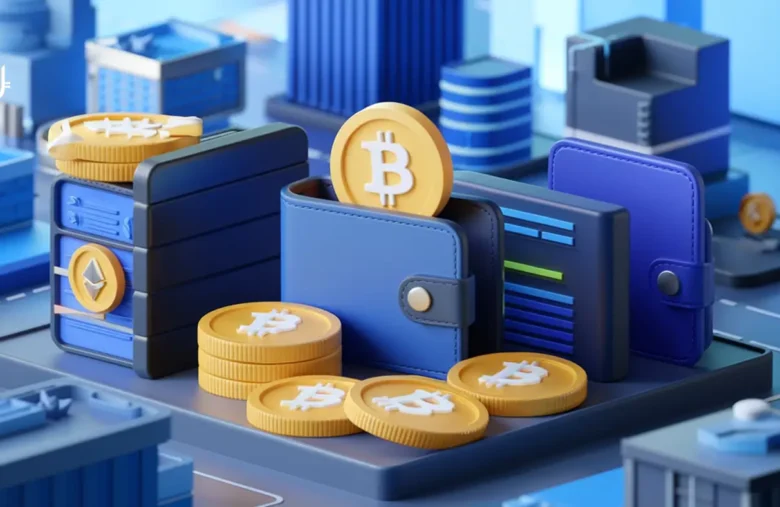
Choosing the right wallet type depends on how you plan to use your Bitcoin. The table below compares the two main categories.
| Type | Description | Best For |
| Hot Wallet | Connected to the internet through mobile or web apps. | Small daily use and quick access. |
| Cold Wallet | Kept offline using hardware devices or paper backups. | Long-term storage and stronger security. |
How to Back Up Your Recovery Phrase
Write down your recovery phrase, usually 12 to 24 words, and store it offline. Never save it on a cloud drive or send it by email. Keep multiple copies in separate, secure locations.
As BTCRepublic often reminds readers, if you do not control your keys, you do not truly control your coins. For more on choosing a mobile option, see our Trust Wallet review.
Step 5: Protect Your Investment Going Forward
Once you have bought Bitcoin and set up your wallet, ongoing protection matters just as much as the initial purchase. Strong habits, repeated consistently, are what actually keep your funds safe over time.
- Activate two-factor authentication on every exchange and wallet app you use.
- Use a strong, unique password that you never reuse on another site.
- Watch for phishing attempts, fake emails, or websites that mimic real crypto platforms. Our Bitcoin security tips guide covers this in more depth.
- Double-check web addresses before logging in, and never click suspicious links.
- Avoid sharing screenshots of your holdings publicly. Scammers often target visible posts.
- Keep only a small amount for active trading. Store the rest in a cold wallet for long-term safety.
Regional Considerations Before You Invest
Bitcoin’s legal status and tax treatment still vary widely by country. Some governments actively encourage adoption, while others restrict or heavily tax crypto activity.
Before investing, check our guide to the most crypto-friendly countries to understand how your region treats Bitcoin ownership and trading.
Common Mistakes New Bitcoin Investors Make
Even careful beginners can fall into avoidable traps. Knowing these patterns in advance helps you sidestep them.
- Investing more than you can afford to lose, often during a price spike driven by hype.
- Skipping wallet security because it feels inconvenient at first.
- Storing coins on an unreviewed platform. Our guide on whether Bitcoin is safe to use walks through how to evaluate a platform before trusting it with funds.
- Reacting emotionally to short-term price swings instead of sticking to a plan.
Expert Insight
| From the BTCRepublic editorial desk After tracking retail and institutional Bitcoin flows through 2025 and into 2026, one pattern stands out. New investors often assume that buying through a regulated ETF removes all the risk that comes with crypto. It does remove certain custody risks, since the fund manages the underlying Bitcoin. However, it does not remove price volatility, and it does not give you direct ownership the way self-custody does. Decide deliberately which trade-off matters more to you before you choose how to invest. |
Conclusion
Starting your Bitcoin investment journey in 2026 does not need to feel risky or complicated. With the right plan, trusted tools, and consistent habits, anyone can build a safe path into crypto. The key is to learn first, start small, and protect every step along the way.
Focus on long-term goals rather than short-term gains. Keep your coins secure, avoid emotional trading, and lean on education instead of hype.
For a broader foundation on Bitcoin’s origins and growth, revisit our guide on Bitcoin’s history, and keep following BTCRepublic as your understanding grows.
Frequently Asked Questions
How much money do I need to start investing in Bitcoin?
You can start with any amount, even a few dollars. Bitcoin is divisible into small units called satoshis, so you do not need a full coin to begin investing.
Is Bitcoin safe for beginners in 2026?
Yes, if you follow basic safety steps. Use a trusted exchange, enable two-factor authentication, and store your coins in a secure wallet. Safety depends far more on habits than on experience. Our guide on Bitcoin safety covers this in greater detail.
Can I lose money if Bitcoin’s price drops?
Yes. Bitcoin’s value moves with supply and demand, and prices can fall sharply. To manage that risk, invest smaller amounts regularly and think in terms of years, not days.
What is the safest way to store Bitcoin?
Use a hardware or cold wallet for long-term storage, and keep your recovery phrase offline and private. Keep only small, spendable amounts in a connected mobile wallet.
Should I invest monthly or all at once?
Investing monthly through dollar-cost averaging helps reduce the impact of price swings and lowers emotional stress. Lump-sum investing can work too, but it carries more timing risk for beginners.
How does buying Bitcoin through an ETF differ from buying it directly?
An ETF lets you gain price exposure to Bitcoin through a regular brokerage account, without managing a wallet or private keys yourself. Buying Bitcoin directly gives you full ownership and control, but it also means the security responsibility falls entirely on you.