


Bitcoin for beginner boils down to four steps: learn the basics, pick a trusted exchange, buy a small amount, and move it to a secure wallet. Bitcoin is digital money that runs on a public, decentralized network called the blockchain. You don’t need a full coin to start, since Bitcoin can be bought in tiny fractions called satoshis.
Key Takeaways
This guide to Bitcoin for beginner covers the essentials without the technical overload. The table below summarizes the core ideas before we go deeper.

| Insight | Summary |
| Bitcoin is simpler than it sounds | It’s digital money that runs on blockchain, a shared record anyone can verify. |
| You don’t need a whole coin | Bitcoin divides into tiny units called satoshis, so any budget works. |
| Ownership is still mostly individual | Research from River shows individuals hold roughly 66 percent of all BTC. |
| Security matters more than timing | Most beginner losses come from scams and weak habits, not bad luck. |
| Start small and verify everything | Test with a small purchase first, then scale up once you’re confident. |
| Institutions are buying in too | Spot ETFs and corporate treasuries now hold a meaningful share of supply. |
Bitcoin Ownership Facts You Can Rely On
Real numbers help put Bitcoin for beginner into perspective. These figures come from sourced, independently tracked research, not guesses.
- Key Takeaways
- Bitcoin Ownership Facts You Can Rely On
- What Is Bitcoin, and Why Beginners Are Drawn to It
- A Quick History Every Beginner Should Know
- How Bitcoin Actually Works
- Who Actually Owns Bitcoin in 2026
- Getting Started With Bitcoin: A Step-by-Step Path
- Common Mistakes and Myths Beginners Should Avoid
- Tools and Resources Every Beginner Should Bookmark
- How Mining Keeps the Network Running
- What to Know Before You Buy Your First Bitcoin
- Expert Insight
- Conclusion: Bitcoin for beginner Doesn’t Have to Be Complicated
- Frequently Asked Questions
| Topic | Fact | Source |
| Who owns Bitcoin | Individuals hold roughly 65.9 percent of circulating BTC; funds hold 7.8 percent; businesses 6.2 percent; governments 1.5 percent. | River Financial research, August 2025 |
| Largest institutional holder | BlackRock’s IBIT fund holds more than 800,000 BTC as of early 2026. | Yahoo Finance / The Block, 2026 |
| Fixed supply | Only 21 million BTC will ever exist, and roughly 19.7 million have already been mined. | Bitcoin protocol data |
| Smallest unit | Bitcoin divides into satoshis, with 100 million satoshis equal to one BTC. | Bitcoin protocol specification |
| US adult interest | 14 percent of US adults who don’t yet own crypto say they plan to buy in 2026. | Security.org consumer report |
What Is Bitcoin, and Why Beginners Are Drawn to It
Bitcoin is digital money that works without a bank or government in the middle. It runs on a public record system called blockchain, where thousands of computers verify every transaction together.
This makes Bitcoin open, transparent, and resistant to manipulation by any single party. For a deeper technical breakdown, see our complete guide to what Bitcoin is and how it works.
Bitcoin appeals to beginners because it is borderless and fast. You can send it anywhere in minutes, without waiting on a bank’s business hours.
People use it to protect savings, make payments across countries, and access financial tools that traditional banking sometimes restricts.

A Quick History Every Beginner Should Know
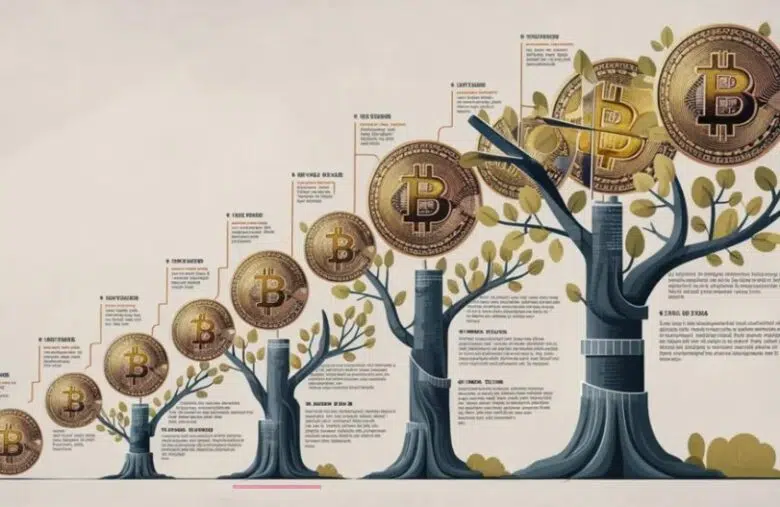
Bitcoin began in 2009, created by a pseudonymous developer known as Satoshi Nakamoto. It launched as an alternative to traditional money, free from banks and political control. For the full timeline of how it grew from an obscure experiment into a trillion-dollar asset class, read our history of Bitcoin.
Bitcoin gained mainstream attention by 2017, expanded adoption after 2020, and by 2026 is held directly by major companies, institutional funds, and even some national governments.
That progression matters for beginners because it shows the asset has moved well past its early experimental phase.
How Bitcoin Actually Works
Think of Bitcoin as a shared digital notebook that records every transaction ever made. This notebook, the blockchain, exists as a chain of data blocks stored across thousands of computers worldwide. Everyone can view the entries, but no one can secretly alter them.
When you send Bitcoin, the transaction gets checked and added to the blockchain by participants called miners. They use computing power to solve cryptographic puzzles that keep the network secure and accurate. This process is what makes Bitcoin trustworthy without needing a bank to vouch for it.
Who Actually Owns Bitcoin in 2026
A common misconception among beginners is that Bitcoin mostly belongs to large institutions. Research from River, published in August 2025, found that individuals still hold roughly 65.9 percent of circulating supply, while funds hold 7.8 percent, businesses 6.2 percent, and governments 1.5 percent. For more on how this institutional landscape continues to evolve, see our breakdown of the pros and cons of Bitcoin.
This matters for a beginner because it confirms Bitcoin is still primarily an individual-owned asset, even as institutional products like spot ETFs continue to grow.
BlackRock’s IBIT fund, the largest of these products, held more than 800,000 BTC as of early 2026, showing how quickly institutional interest has scaled without displacing individual ownership entirely.
Getting Started With Bitcoin: A Step-by-Step Path
Getting started with Bitcoin becomes straightforward once you break it into stages. Each step below builds on the last.
Step 1: Choose a Secure Wallet
A wallet is where you keep your Bitcoin. Hot wallets stay connected online for easy access, while cold wallets stay offline for stronger security. Always back up your wallet and keep recovery phrases private.
Our comparison of the best cold wallets available today is a strong place to start for long-term storage.
Step 2: Buy Your First Bitcoin
Use a trusted, well-reviewed exchange. Verify your account, link a payment method, and buy a small amount first to confirm everything works. Check fees and reviews before settling on a platform.
Our walkthrough on buying Bitcoin with a debit card covers the practical steps in detail.
Step 3: Store, Send, and Use Safely
Keep your Bitcoin in a secure wallet, avoid public Wi-Fi during transactions, and never share passwords or recovery phrases.
Our full guide on Bitcoin security tips expands on every habit that genuinely protects beginners from common losses.
Common Mistakes and Myths Beginners Should Avoid
Many beginners believe you must buy a whole Bitcoin to get started, but that’s false. You can begin with a small fraction, even a few dollars’ worth, called satoshis.
Another persistent myth claims Bitcoin is mainly used for illegal activity, yet the blockchain is fully transparent and traceable, which makes it a poor tool for hiding transactions.
A more realistic risk comes from weak passwords and leaving coins sitting on an exchange, where they remain vulnerable to platform-level breaches.
Our guide on whether Bitcoin is safe to use walks through how to evaluate that risk before you commit real money.
Tools and Resources Every Beginner Should Bookmark
Starting with the right tools makes Bitcoin for beginner far less intimidating. Trusted hardware wallets, reputable exchanges, and a basic security checklist cover most of what a new user actually needs.
- A hardware wallet such as Ledger or Trezor for long-term, offline storage.
- A reputable exchange with transparent fees and strong identity verification.
- Two-factor authentication enabled on every account that touches your funds.
- A clear understanding of the trade-offs before investing further, covered in our guide on how to invest in Bitcoin safely.
How Mining Keeps the Network Running
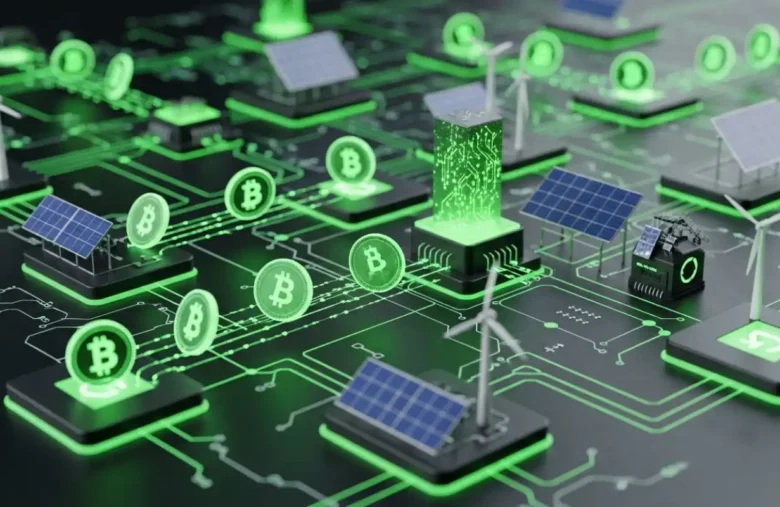
Mining is the process that adds new Bitcoin to circulation while keeping the network secure.
Miners compete to solve a cryptographic puzzle, and whoever solves it first adds the next block of verified transactions to the blockchain. In exchange, that miner receives a reward in newly created Bitcoin.
This process continues until all 21 million coins are mined, a fixed ceiling written directly into Bitcoin’s code.
Once that point is reached, no new Bitcoin can ever be created, which is the core reason scarcity plays such a large role in how investors think about the asset.
What to Know Before You Buy Your First Bitcoin
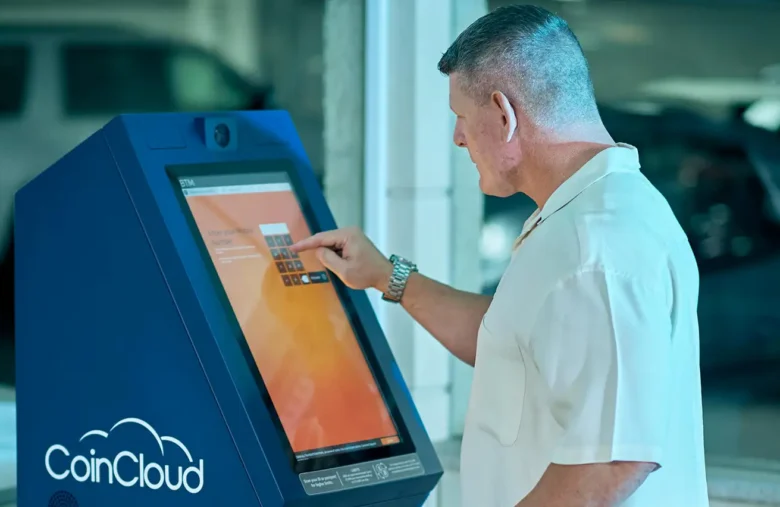
Bitcoin has emerged as a legitimate financial asset, and Wall Street’s involvement has deepened significantly since spot ETFs launched in January 2024.
People are drawn to this space partly for its growth potential and partly for the independence it offers from traditional banking.
If you want a clearer picture of both sides before committing money, our breakdown of the pros and cons of Bitcoin lays out the genuine trade-offs.
If you would rather skip the technical complexity for now, the one thing every beginner truly needs to understand is this: Bitcoin is volatile, decentralized, and carries real risk alongside real potential.
That combination is exactly why patience and basic security habits matter more than trying to time the market perfectly.
Expert Insight
| From the BTCRepublic editorial desk After helping countless beginners take their first steps into Bitcoin, one pattern shows up again and again. New users tend to worry most about price movement, when the real risk sits in basic security habits, like reusing passwords or skipping two-factor authentication. Price volatility evens out over a long enough timeline for most patient investors. A single phishing mistake, on the other hand, can erase a position permanently in minutes. |
Conclusion: Bitcoin for beginner Doesn’t Have to Be Complicated
Bitcoin for beginner comes down to a few repeatable habits: learn the fundamentals, choose a secure wallet, start with a small purchase, and avoid the common mistakes that trip up new users.
You now understand what Bitcoin is, how it works, and why both individuals and institutions continue to hold it in growing numbers.
The best way to grow from here is to start small and keep learning one step at a time. For a deeper look at where Bitcoin’s value really comes from, revisit our guide on what Bitcoin is and how it works, and keep following BTCRepublic as your confidence builds.
Frequently Asked Questions
What is Bitcoin in simple terms?
Bitcoin is digital money you can send directly to anyone without a bank. It runs on blockchain, a shared, public record that keeps every transaction secure and verifiable.
Is it too late to get into Bitcoin for beginner in 2026?
No. Bitcoin adoption is still growing across most of the world, and you can start with a small amount and learn at your own pace. Many long-term holders began exactly this way.
How do I buy Bitcoin safely as a complete beginner?
Use a well-reviewed, trusted exchange, set up strong account security including two-factor authentication, and move your coins to a private wallet after purchase. Our guide on buying Bitcoin with a debit card covers this process step by step.
Is Bitcoin legal everywhere?
Bitcoin is legal in most countries, but local rules vary significantly. Always check your country’s financial regulations before buying, holding, or trading.
How can beginners avoid common Bitcoin scams?
Stick to verified exchanges, never share your private keys or recovery phrase, and be skeptical of any offer promising guaranteed returns. Our Bitcoin security tips guide covers the specific habits that prevent most beginner losses.