


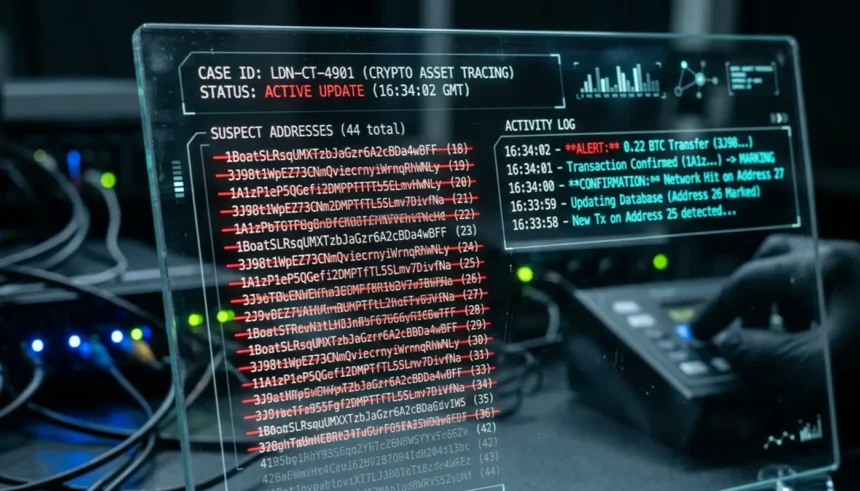
A high-profile lawsuit seeking ownership of thousands of dormant Bitcoin wallets has narrowed after 44 wallet addresses were removed from the case following evidence that they were still active on the blockchain.
The update came after blockchain records showed that each of the 44 wallets had transferred Bitcoin since the lawsuit was filed, undermining claims that the assets had been abandoned.

Together, the wallets held more than 21,400 BTC when the legal action began.
The case, filed by a pseudonymous plaintiff known as Noah Doe and two Wyoming companies, aims to claim ownership of 39,069 Bitcoin addresses under New York’s abandoned property laws.
The targeted wallets include addresses believed to belong to Bitcoin creator Satoshi Nakamoto, as well as wallets connected to the Mt. Gox hack.
Galaxy Research’s Alex Thorn said the lawsuit itself required any wallet that showed post-filing activity to be removed from the list of defendants.
Data indicates the excluded wallets have collectively moved more than 46,000 BTC, suggesting they remain under the control of their original owners.

Court to Review Massive Bitcoin Wallet Lawsuit
The legal challenge has continued to face criticism. One defendant, identified as John Doe 33, has asked the court to dismiss the case, arguing that Bitcoin wallet addresses are not legal entities and therefore cannot be sued.
The lawsuit remains under close scrutiny as it moves toward a July 14 hearing, where the court will consider procedural matters before allowing any further action. Until then, the plaintiffs are barred from seeking a default judgment.
The case has attracted strong opposition from the crypto industry and legal experts.
Attorney Ian R. Cohen argues that inactive self-custodied Bitcoin cannot be considered abandoned property under New York law, while the Digital Chamber warns that the lawsuit could create a precedent affecting self-custodied digital assets beyond the wallets named in the filing.
Galaxy Research also noted that even if the plaintiffs succeed, they would not gain access to the wallets’ private keys. Instead, they would receive a legal declaration that could create complications if the coins are later transferred to regulated exchanges or custodians.
The dispute remains significant because it still targets thousands of early Bitcoin wallets, including many believed to be linked to Satoshi Nakamoto, despite recent evidence showing that some listed addresses are still actively controlled.