

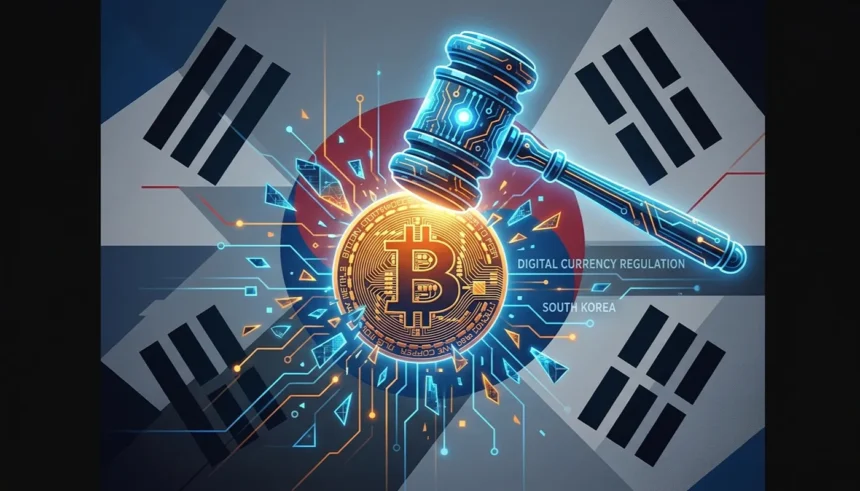
South Korea is moving to strengthen the enforcement of court rulings by allowing authorities to seize and sell cryptocurrencies owned by debtors.
The Supreme Court published draft changes to the Rules on Civil Execution on July 2, saying that the proposal would give courts a clearer framework for confiscating crypto held by debtors and converting it into cash to satisfy unpaid judgments.

The proposed changes come as more people in South Korea invest in and trade cryptocurrencies, leading to a rise in cases where digital assets are involved in court disputes.
The new rules would expand the country’s civil enforcement system, which has mainly covered assets such as property, bank accounts, and other financial claims.
If approved, the rules would allow the enforcement process to begin once a court issues a seizure order for digital assets. Crypto exchanges and other platforms holding the assets would be required to freeze them and prevent any transfers to the debtor.
Debtors would also be banned from moving, selling, or claiming ownership of the seized digital assets. The public, though, has until August 11 to submit comments on the draft before the rules are finalized.
How Crypto Seizures Would Work
The proposed amendments also introduce new information-sharing requirements.

If requested by a creditor, a court could order crypto exchanges and other digital asset custodians to confirm whether a debtor owns cryptocurrency, disclose the type and amount of assets held, and report whether those holdings are already subject to other creditors’ claims or legal priorities.
To recover funds, the draft allows courts to authorize the sale of seized digital assets.
Depending on the situation, enforcement officers could have virtual asset service providers sell the crypto immediately, transfer it into a special account created for the enforcement process before selling it, or first convert less liquid tokens into cryptocurrencies that are easier to trade.
This option would apply when the seized assets have limited market activity or low value.